FROM AWARENESS TO CONVERSION IN A SINGLE SESSION. LET THAT SINK IN.
RELAX. THE FUNNEL IS FINE.

Let’s jump right in by dispelling a couple of marketing myths. No, the funnel is not dead. No, it hasn’t changed shape into a circle or an unnecessarily complicated looking triple helix. But it has evolved into a more powerful engine as we’ve started to understand and activate the role of fandom.
A funnel is a pathway that outlines the formation and growth of the relationship humans build with brands. Awareness can lead to consideration. Consideration can lead to decision. Loyalty can then drive advocacy, which in turn can create new awareness. So yes, the path can loop and feed back into itself. But the progression is still real. People still move from discovery to evaluation to action, and strong fandom can extend that movement into an ongoing cycle of growth.
SO WHAT’S CHANGED?
What has changed is our toolkit. Since the dawn of the internet, we’ve unlocked thousands of new tools and tactics that allow us to connect with our audience more quickly and precisely and to grow the relationship faster.
But until not long ago, our progress with our audience along the funnel was marked by separate sessions and milestones, sometimes spanning across days and months, even with the best digital tools.
Play-based marketing revolutionized that by introducing interactive, participatory brand experiences where audiences actively engage, influence what happens, and spend meaningful time with the brand.
In the past, we had to operate across sessions because we often had no more than a few seconds, maybe minutes, of interaction and engagement with our audience. Play-based marketing delivers something entirely different. Sometimes hours of quality engagement. That timeline alone changes the game. It gives us time to span the entire funnel from first impression to conversion, simply because we have the time to do it and a state of mind that is conducive to relationship building, conversion, and sales.
And when that time and attention turn into a sense of connection and belonging to a brand, they spend up to 67% more, are more likely to repurchase, and actively amplify the brand through advocacy and community participation (5).

WE’RE PLAYING AN ALL NEW GAME
Let’s talk about what this actually means for media buying.
For years, full funnel strategy has meant one thing. More touchpoints. More sequencing. More layers. Awareness here. Consideration there. Conversion somewhere down the line.
That model was built around a simple constraint that we never had enough time in a single interaction to do more.
That constraint is gone.
So let’s get into it.

BREAK OUT OF THE AWARENESS BOX
This is where most plans get it wrong.
Participatory media buys are still being bought and evaluated as awareness plays. Something to generate buzz. Something to drive reach. That misses the point.
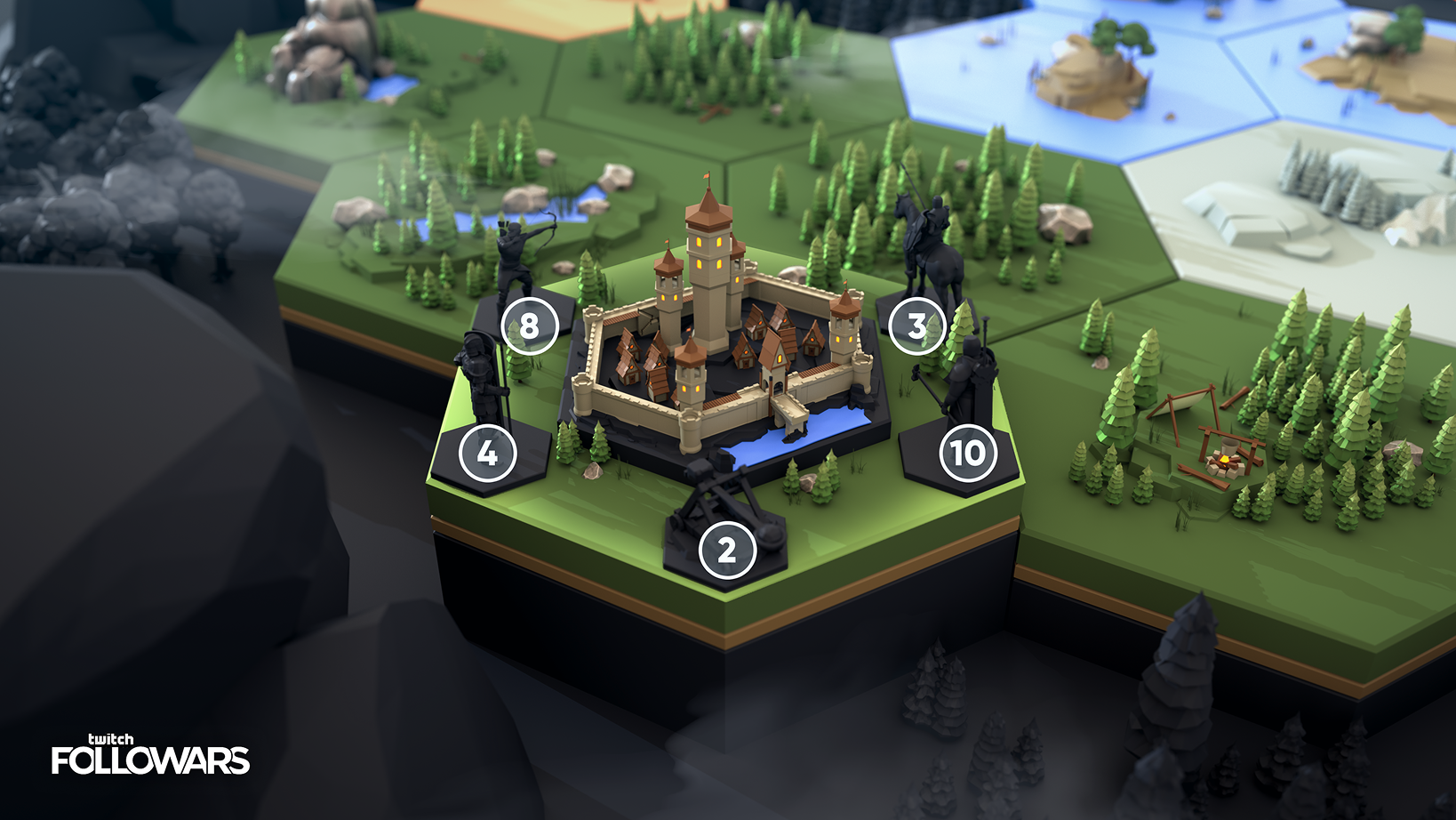
Whether it’s a branded game on Twitch, a live interactive stream where audiences influence what happens in real time, or a playable activation inside a digital experience, these environments are still being treated like passive media.
When these environments are bought as awareness, they are judged on reach, impressions, and views. None of which capture what is actually happening inside the experience. Time spent, depth of interaction, and behavioral signals tell a very different story.
Research in attention and engagement shows that these signals lead to stronger brand recall, higher consideration, and increased purchase intent (1). These are indicators of lower funnel impact and clear evidence that participatory media has the capacity to deliver across the full funnel.
BUY SESSIONS, NOT TOUCHPOINTS
The unit of value is the session.
When the objective is to move people beyond awareness, we should be thinking about longer sessions, not just micro touchpoints. It’s the difference between speed dating and a long conversation across the table at a great restaurant. One is about volume. The other is about depth, attention, and the conditions that allow for a meaningful connection to form and deepen quickly.
This changes the buying approach.
It becomes a qualitative decision. You are choosing the environment where people spend time with your brand, and that means evaluating a different set of variables. The quality of the session matters. The level of interactivity matters. The design of the experience matters. The time of day becomes relevant because it shapes attention and intent. The social context is important, whether the experience is live, shared, and participatory or passive and isolated. The mindset of the audience when they enter matters, whether they are leaning in and open to engage or simply passing through.
These are the parameters that define performance in participatory media. You get access to a highly engaged, willing, and active audience. What you are buying are the conditions under which people process, evaluate, and make decisions. When those conditions are right, one session can help you reach multiple objectives in one shot.
CONSOLIDATE YOUR MEDIA PLAN
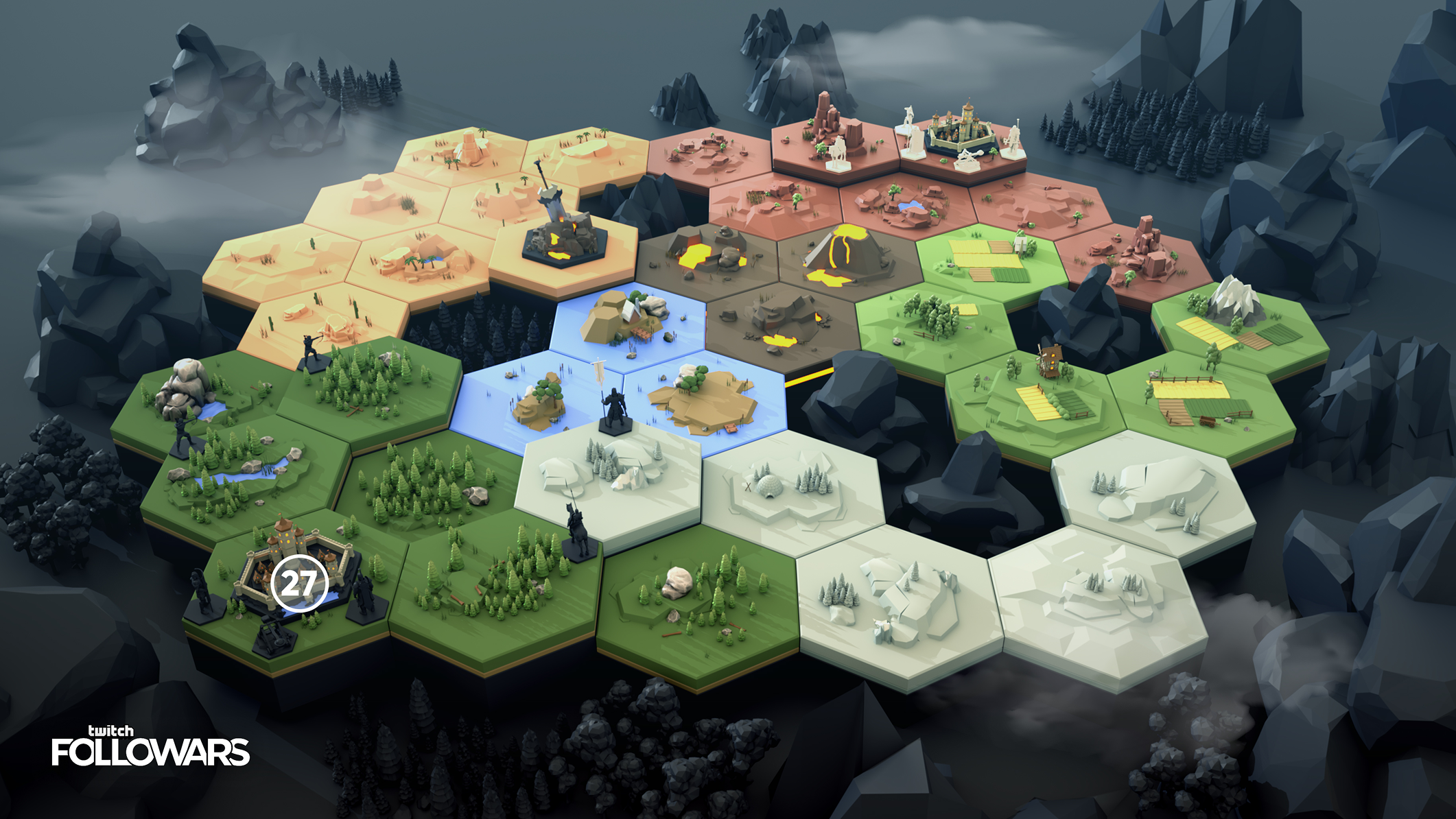
Most media plans are built to distribute investment. Different channels are tasked with different roles. One drives awareness. Another builds consideration. A third drives sales. The result is a layered system designed to move people forward over time through repeated exposure (2).
When a single environment can hold attention, influence behavior, and drive action within the same session, there is no need to fragment investment across multiple channels and touchpoints. Think of Gentle Monster’s immersive retail spaces, where visitors move through sculptural installations, interact, share, and purchase within the same experience, the full funnel plays out in one place.
This gives us the opportunity to concentrate the investment into fewer environments that can deliver across the full funnel. Fewer placements, more time spent. Less repetition, deeper engagement. Fewer handoffs between channels, more continuity within the experience.
This does not necessarily mean a lower investment. There are efficiencies to be gained, but the real shift is in how that investment is deployed. You are concentrating spend into one environment to drive a bigger, faster impact, instead of fragmenting it across multiple touchpoints that deliver weaker results over a longer period.
Hard to argue with that.

INVEST IN THE EXPERIENCE
The media buy is half the battle.
What happens inside the experience is the primary driver of performance (3). Even the strongest media buy cannot compensate for a weak experience. In participatory environments, people are spending extended time with your brand. The details matter. The opportunities are endless. If the execution feels like an afterthought, the investment can backfire.
This is not a copy and paste of an existing campaign or a brand platform dropped into a new channel. It has to be built for the environment. The mechanics, the pacing, the level of interaction, the role the brand plays inside the experience all need to be designed intentionally. When it fits, it feels natural and delivers impact. When it does not, it breaks the moment.
There is a reason product placement works in film when it is done well. The brand is part of the story. It belongs there. The moment it feels forced, it pulls people out. The same principle applies here, except the audience is participating. The standard is higher (4).
And that standard comes with a different expectation. Time and participation create the opportunity for progression, but only if the experience is designed to support it. If not, you are paying for attention while underdelivering on impact.
The media buy gets you in the room. The experience moves the needle. Fandom is the signal that it’s working.
Sources:
- Lumen Research — Publishers and an Ecology of Attention
- WARC — The WARC Guide to Planning for Attention
- Adelaide Metrics — 2025 Attention Outcomes Guide
- Journal of Interactive Marketing — Customer Engagement in a Digital World
- Bain & Company — The Value of Online Customer Loyalty
- Nielsen — The Nielsen Total Media Resonance Report
- Ebiquity — The Challenge of Attention
- Frontiers in Psychology — Consumer Participation and Purchase Intention